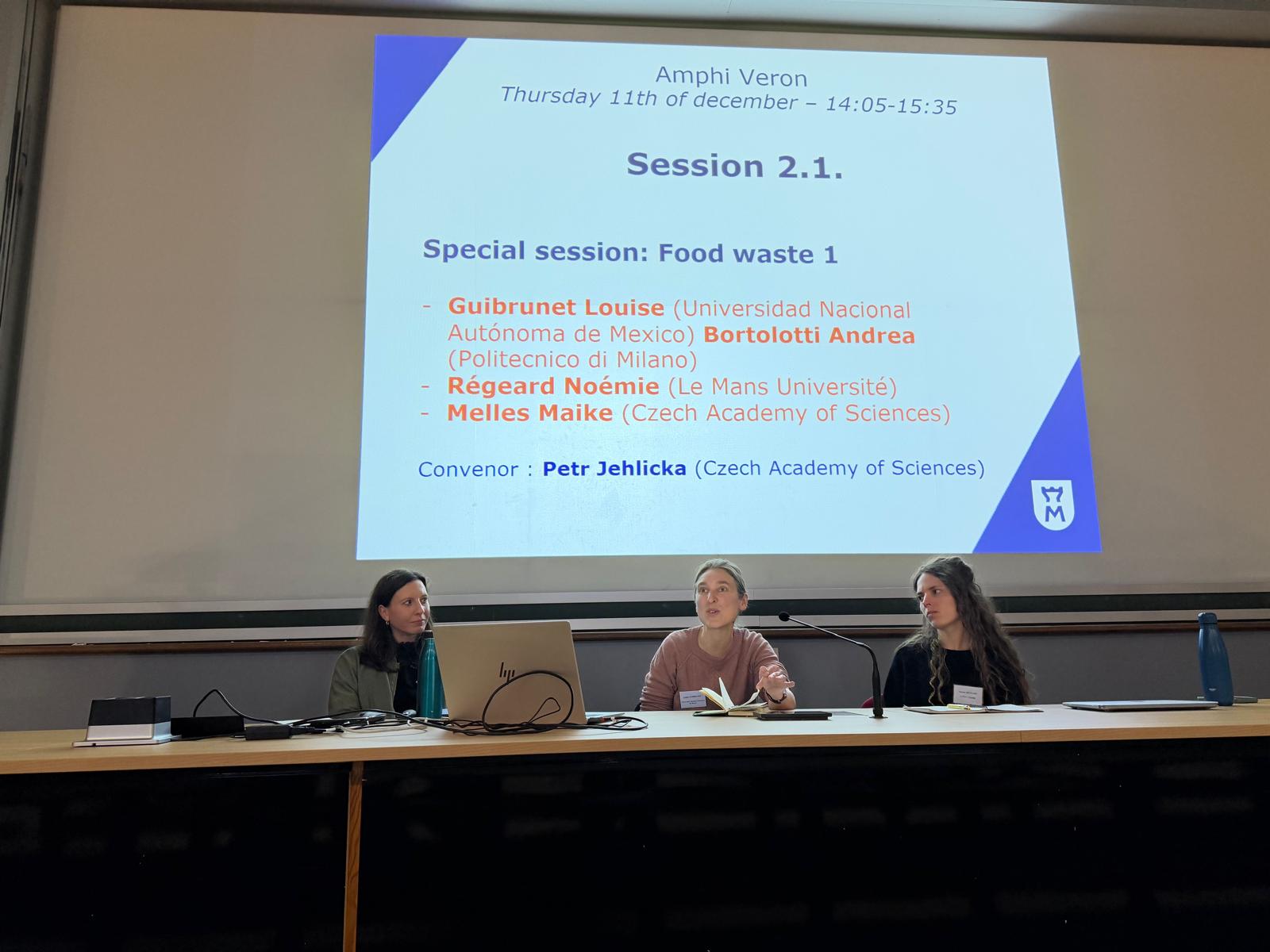
Maike Melles (2025) Give Food Hate Waste? Food sharing via buurtkastjes in the Netherlands. OTB4 conference, 10-13 December 2025, Le Mans
Research on food cupboards and community fridges in the Netherlands shows diversity of approaches and understanding od food sharing
Community cupboards provide a local means to share food and other items in the neighbourhood. The cupboards are located in public spaces, allowing any passer-by to put items in them or take them out. In the Netherlands, a recent initiative enhanced the idea of the community cupboard (buurtkast) by adding fridges and even freezers to the sharing infrastructure (buurtkoelkast). In this paper, I explore four implications of the community fridges: First, the discretion of the sharing cupboards preserves a relation of equality between the giver and the receiver of the food gift by enabling a mode of handing over or around instead of handing down. Furthermore, it allows the visitor of the buurtkast to reject the potential gift. Second, as an alternative and complementary way to obtain food for free, the buurtkast, and especially the buurtkoelkast, enhance the dietary choice of the food receivers who, in food bank settings, ‘get what they get’. Third and simultaneously, however, the cupboards can be seen as a continuation of the commodity culture from which most food items originate. Finally, while initiators of buurtkastjes emphasise that their primary purpose is to avoid wasting food at home, it can be argued that the community cupboards and fridges may even exacerbate the tendency of shifting responsibility for the prevention of food waste from retailers to private actors by incentivising additional purchases of groceries.